smart home google sets the stage for this enthralling narrative, offering readers a glimpse into a story that is rich in detail and brimming with originality from the outset. This innovative system not only transforms how we interact with our living spaces but also integrates a variety of devices designed to enhance comfort and security. From the powerful Google Nest products to seamless third-party integrations, the smart home ecosystem is designed to work harmoniously, allowing users to automate everyday tasks effortlessly and enjoy a more convenient lifestyle.
Smart Home Devices
Smart home devices are revolutionizing the way we interact with our living spaces, providing enhanced convenience, security, and energy efficiency. Google has established a robust ecosystem of smart home products, particularly through its Google Nest line, which integrates seamlessly with Google Assistant. This creates an interconnected environment where users can control various aspects of their home with simple voice commands or through mobile applications.
The Google Nest product range includes a variety of devices designed to improve home automation, security, and climate control. These devices not only allow for remote management via smartphones but also integrate advanced features that enhance user experience. Key offerings from Google Nest include smart speakers, displays, thermostats, cameras, doorbells, and smoke detectors, each equipped with specific functionalities that contribute to a smarter home.
Overview of Google Nest Products
The Google Nest ecosystem consists of several devices that cater to different aspects of home automation. Each device plays a unique role, providing users with various options for creating a connected home environment. The key products include:
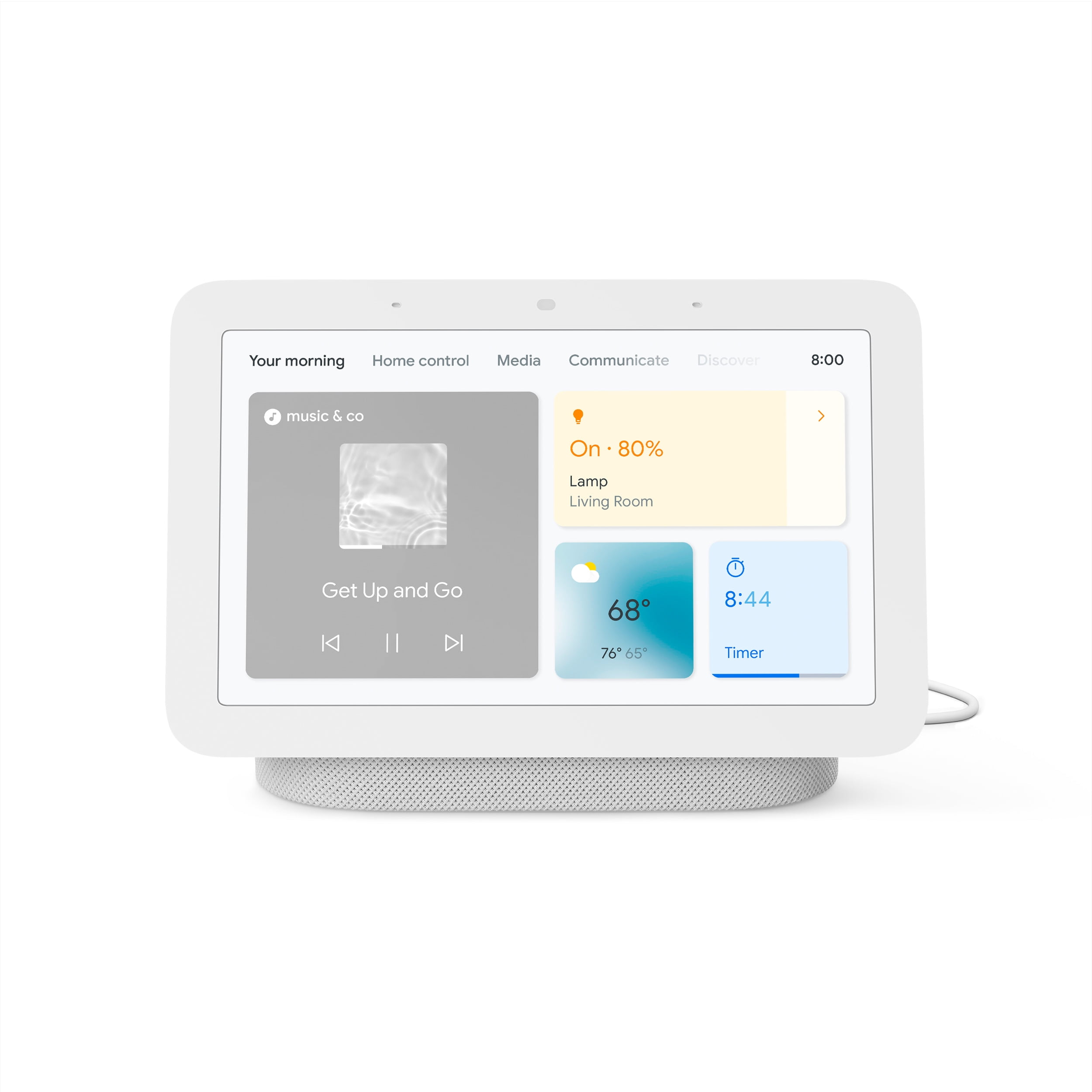
- Google Nest Hub: A smart display that serves as a control center for all connected devices. It features a touch screen interface that allows users to manage their smart home, view security camera feeds, and access multimedia content.
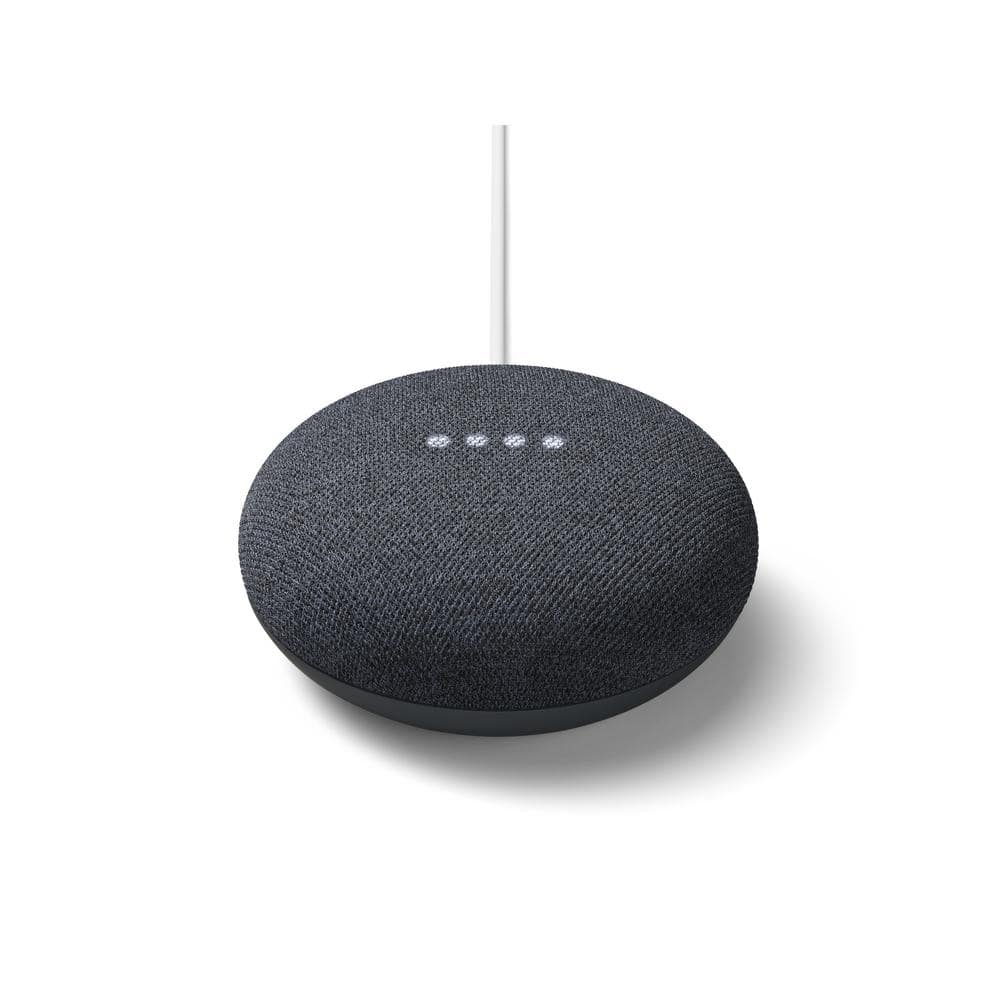
- Google Nest Mini: A compact smart speaker that delivers high-quality audio and supports voice commands through Google Assistant. It can control compatible smart home devices, play music, and provide information.
- Google Nest Learning Thermostat: This smart thermostat learns user preferences and adjusts heating and cooling accordingly, helping to save energy and reduce utility bills. It can be controlled remotely via the Google Home app.
- Google Nest Doorbell: A smart doorbell that provides video streaming and alerts when someone is at the door. It features smart motion detection and can be accessed via the Google Home app for live viewing.
- Google Nest Cam: Indoor and outdoor security cameras that offer 24/7 live streaming and intelligent alerts for suspicious activity. They can be integrated with other Google Nest devices for enhanced security.
- Google Nest Protect: A smart smoke and carbon monoxide detector that sends alerts to your phone in case of an emergency. It features voice alerts and self-tests to ensure functionality.
These devices not only enhance the functionality of a smart home but also promote a more sustainable lifestyle by improving energy efficiency.
Integration of Third-Party Devices with Google Assistant
Google Assistant supports a wide range of third-party smart home devices, allowing for a unified smart home experience. Integration with various products enhances automation and makes life more convenient. The importance of this interconnectivity lies in its ability to create routines, automate tasks, and provide centralized control over different devices.
Many popular brands offer devices that are compatible with Google Assistant, including Philips Hue, TP-Link, Ring, and more. This compatibility allows users to:
- Control lighting and appliances using voice commands, making it easy to turn on/off devices throughout the house.
- Set up routines that can automate daily tasks, such as turning on the coffee maker in the morning or adjusting the thermostat at night.
- Integrate security features, enabling users to monitor their homes through security cameras and receive alerts via Google Assistant.
- Manage energy consumption by controlling smart plugs and switches, helping to reduce overall energy costs.
- Access personalized settings and preferences across devices, creating a tailored smart home environment.
The ability to integrate third-party devices with Google Assistant enhances the overall user experience, making smart homes more intuitive and user-friendly. The result is a cohesive smart home ecosystem that streamlines daily life and provides greater control over home management.
Setting Up a Smart Home: Smart Home Google
Establishing a smart home ecosystem using Google technology can transform your living space into a hub of convenience, efficiency, and connectivity. With the right steps and configurations, you can seamlessly integrate various devices to create a harmonious environment tailored to your lifestyle.
To begin the setup of your smart home, it’s essential to understand the foundational elements that will guide your device selections and configurations. The process involves choosing a compatible smart speaker, selecting devices that work best within that ecosystem, and ensuring that all devices are connected properly for optimal functionality.
Steps to Establish a Smart Home Ecosystem
The initial steps to set up your smart home revolve around choosing the right central hub and connecting compatible devices. This hub facilitates communication between your devices and Google Home, enabling centralized control.
1. Choose a Smart Speaker: Select a Google Nest device, such as the Google Nest Hub or Google Nest Mini, which acts as the central command for your smart home.
2. Select Compatible Devices: Ensure that the smart devices you choose—like lights, plugs, thermostats, and cameras—are compatible with Google Assistant. Popular brands include Philips Hue, Nest, and TP-Link.
3. Download the Google Home App: This app serves as the primary tool for managing your devices. It is available on both iOS and Android platforms.
4. Connect Your Smart Speaker: Follow the instructions in the Google Home app to set up your smart speaker, connecting it to your Wi-Fi network.
5. Add Smart Devices: Use the app to add each device to your Google Home ecosystem by following the pairing instructions provided by the manufacturer.
Best Practices for Connecting and Configuring Devices, Smart home google
Properly connecting and configuring your devices can prevent issues later and enhance your overall experience. Here are some best practices to follow:
– Ensure Wi-Fi Stability: A reliable Wi-Fi connection is crucial for smooth operation. Position your smart devices within range of your router to avoid connectivity issues.
– Organize Devices by Room: Group devices in the app by room to facilitate easier control and management. This setup allows for specific voice commands directed at particular areas.
– Regularly Update Device Firmware: Keep your devices updated with the latest firmware to ensure optimal performance and security enhancements.
– Create Device Nicknames: Assign simple, memorable nicknames to your devices in the Google Home app for easy voice recognition.
Creating Routines for Seamless Smart Home Automation
Creating routines in Google Home can significantly enhance the automation of your smart home, allowing multiple actions to occur with a single command. This feature brings efficiency to daily tasks.
To set up a routine:
1. Open the Google Home App: Navigate to the “Routines” section within the app.
2. Select ‘Add a Routine’: Choose a trigger phrase, such as “Good morning” or “I’m home,” that will activate the routine.
3. Add Actions: Specify what actions should occur when the routine is triggered. This could include turning on lights, adjusting the thermostat, or playing music.
4. Schedule Routines: Set routines to activate automatically at specific times or based on your location.
“Routines can significantly simplify your daily life by automating tasks with just one command.”
By following these steps and best practices, you can create a smart home ecosystem that not only aligns with your daily needs but also evolves with your lifestyle, ensuring your home is as intelligent as it is comfortable.
Benefits of a Smart Home
The integration of smart home technology, particularly through a Google-centric system, offers numerous advantages that transform daily living. As homes become increasingly automated, the benefits extend beyond mere convenience to encompass energy efficiency, enhanced security, and improved quality of life. Understanding these advantages can help homeowners make informed decisions about adopting smart home solutions.
Advantages of a Google-Centric Smart Home System
A Google-centric smart home system provides seamless integration with various devices, enhancing user experience and convenience. By leveraging Google Assistant, users can control multiple smart devices with simple voice commands, making everyday tasks more efficient. The ecosystem is designed to work harmoniously with a wide range of devices, including lights, thermostats, security cameras, and appliances, allowing users to centralize control through a single platform.
Key advantages include:
- Interconnectivity: Devices from various manufacturers can be linked through Google Home, providing a cohesive experience.
- Voice Control: Users can operate devices through intuitive voice commands, eliminating the need for manual interaction.
- Remote Access: Control your smart home from anywhere using the Google Home app, ensuring peace of mind even when away.
- Routine Automation: Set schedules and routines that automate tasks based on your lifestyle, enhancing day-to-day operations.
Energy-Saving Features Enabled by Smart Home Technology
One of the most significant benefits of smart home technology is its potential to save energy and reduce utility costs. By utilizing smart devices, homeowners can monitor and manage energy usage more effectively.
The following features illustrate how smart home technology promotes energy efficiency:
- Smart Thermostats: Automatically adjust heating and cooling settings based on occupancy and preferences, optimizing energy consumption.
- Smart Lighting: Utilize LED bulbs that can be dimmed or scheduled to turn off when not in use, significantly lowering electricity bills.
- Energy Monitoring: Track energy usage of individual devices in real-time, allowing users to identify and reduce wasteful habits.
“Smart home technology not only simplifies managing daily routines but also contributes to significant energy savings.”
Convenience of Voice Control Compared to Traditional Home Management
Voice control through smart home systems revolutionizes how users interact with their homes. This mode of operation significantly contrasts with traditional home management, which often involves manual controls and switches.
The convenience of voice control manifests in several ways:
- Hands-Free Operation: Perform tasks without needing to physically interact with devices, ideal for multitasking or during busy moments.
- Accessibility: Voice commands can assist those with mobility challenges, making homes more inclusive.
- Quick Adjustments: Make immediate changes to settings without needing to locate and operate physical controls.
The enhancement of home management through voice-activated technology illustrates a significant evolution in how people experience their living environments, emphasizing comfort and efficiency.
Security and Privacy Considerations
The integration of Google smart home devices into daily life brings convenience and innovation, but it also necessitates a careful examination of security and privacy measures. Ensuring the safety of personal information and the integrity of devices is paramount as smart technologies become increasingly intertwined with our everyday routines.
Google smart home products offer a variety of security features designed to protect user data and maintain device integrity. These features are built into the devices and the associated Google Home app, creating a layered approach to security. Key features include two-factor authentication (2FA), which adds an extra layer of security by requiring a second form of verification when logging into accounts. Encryption is employed to ensure that data transmitted between devices is secure and inaccessible to unauthorized users. Moreover, regular software updates are released to patch vulnerabilities and enhance security protocols, ensuring that devices remain resilient against potential threats.
Privacy Settings and Controls
Privacy settings play a crucial role in the management of data collected by smart home devices. Users should be proactive in reviewing and adjusting these settings to safeguard their personal information. Google provides various options for controlling privacy, including the ability to manage voice commands and data collection preferences. Users can choose to disable voice recordings, delete their voice history, or limit data sharing with third-party services.
To maximize privacy, it is advisable to regularly audit the settings within the Google Home app. Here are recommended actions to ensure robust privacy control:
- Review and adjust the data collection settings to limit unnecessary information being stored.
- Delete past voice commands and activity logs to minimize the data footprint.
- Regularly check app permissions and revoke access from apps that are no longer needed.
- Enable alerts for any unusual activity or access attempts on your account.
Ensuring a Secure Smart Home Environment
Creating a secure smart home environment requires a proactive approach, especially when utilizing Google services. Users can adopt several strategies to enhance security, ensuring devices and data remain protected.
Implementing a strong, unique password for your Google account is essential, as it serves as the gateway to accessing all connected devices. Additionally, using a secure Wi-Fi network that employs WPA3 encryption can prevent unauthorized access. Here are further tips to enhance the security of your smart home:
- Change default passwords on all smart devices to unique, complex passwords to thwart potential intrusions.
- Keep firmware and software for all devices updated to benefit from the latest security patches.
- Utilize a separate network for smart home devices to isolate them from personal computers and smartphones.
- Regularly monitor device activity and access logs for any suspicious behavior or unauthorized connections.
“A proactive approach to security, combined with prudent privacy settings, is key to enjoying the benefits of a smart home without compromising personal safety.”
Overall, being vigilant about security and privacy when using Google smart home products ensures a safer, more enjoyable experience in an increasingly connected world.
FAQ Corner
What types of smart devices can I use with smart home google?
You can use a wide range of devices including smart lights, thermostats, cameras, and appliances compatible with Google Assistant.
How do I set up my smart home with google technology?
To set up your smart home, start by downloading the Google Home app, connect your compatible devices, and follow the prompts to configure them.
Can I control my smart home devices remotely?
Yes, you can control your smart home devices remotely using the Google Home app on your smartphone or tablet.
Are there any privacy concerns with using smart home google?
While using smart home google, it’s essential to review and adjust your privacy settings to ensure your data is secure and only shared with trusted sources.
What benefits does voice control provide in smart home google?
Voice control allows for hands-free operation of devices, making it easier to manage your home and perform tasks without needing to reach for a remote or app.
When considering your financial future, obtaining an ife insurance quote can be a crucial step. This quote provides essential insights into potential coverage options and premiums, allowing you to make informed decisions tailored to your personal needs. Understanding these details helps you secure a stable financial safety net for your loved ones.
In today’s digital age, accessing insurance services is easier than ever with allianz online. This platform allows you to manage your policies, track claims, and explore various insurance products from the comfort of your home. Embracing such technology not only saves time but also enhances your overall insurance experience.